
 Back to News
AHS Deployed to Yarnell Hill Wildfire
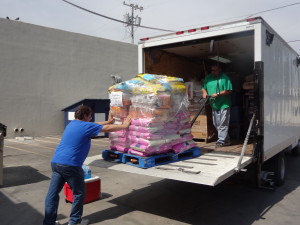
Yarnell Hill Wildfire Disaster Relief
As the state’s designated responder for animals in distress during natural disasters, the Arizona Humane Society (AHS) has been deployed to the Yarnell Hill Wildfire. Our role will be to provide a temporary animal shelter, animal care and any support that we possibly can to the Wickenburg Humane Society and the people and pets in the community.
The fire, which was sparked by a lightning strike just southwest of Prescott, has quickly grown to more than 8,300 acres and tragically took the lives of 19 brave firefighters Sunday. More than 400 fire personnel continue to battle the fire, which is at zero percent containment.
AHS has initially deployed a team of seven staff members, including one veterinarian, as well as our mobile clinic, to help shelter and provide medical treatment to any animals in need. We will continue to assess and monitor the situation and provide additional resources if needed.
If you would like to help support AHS’ efforts, we currently have plenty of food at this time, but we are in need of towels, blankets and five-gallon buckets that you may drop off at AHS’ Sunnyslope shelter, which is located at 9226 N. 13th Avenue in Phoenix.
For continued updates, please visit our Facebook and Twitter pages. Also check out our Yarnell wildfire FAQs for more information.
If you need emergency assistance, call 9-1-1 immediately. If you have been affected or displaced by the wildfire and need help, contact the American Red Cross at 800-842-7349.
Temporary Shelter Locations
Wickenburg High School
1090 S. Vulture Mine Rd.
Wickenburg, AZ 85390
Yavapai College
1100 E. Sheldon St.
Prescott, AZ 86301

 Arizona Humane Society's Rob & Melani Walton Papago Park Campus Now Open
 3 Million Missed Spay/Neuter Surgeries During Pandemic Still Impacting Animal Welfare Organizations
 Arizona Humane Society Partners with Senator T.J. Shope to Introduce Animal Cruelty Bill
 Arizona Humane Society Expands Partnership with West-MEC to Address Overcapacity Challenges